
Sourcing CNC Turning and Milling: What to Verify Before You Pay
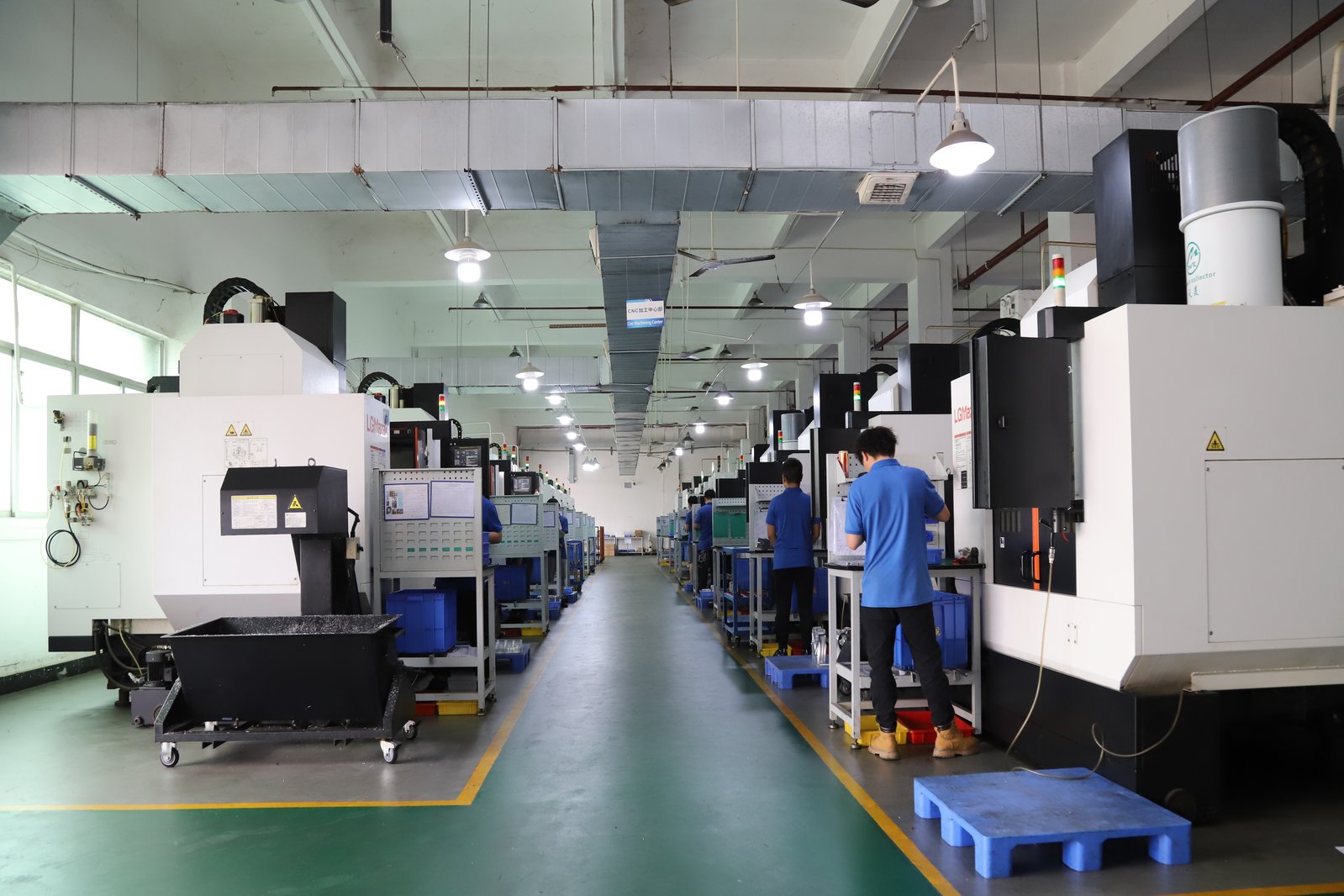
Many precision parts are neither purely turned nor purely milled: a body is turned on its outside diameters, then positioned and milled for flats, holes, and slots. When a part crosses both processes, the sourcing question stops being "which shop is cheapest" and becomes "which shop controls both operations well enough that the part is right the first time." This guide explains the verification points that matter when buying combined turning and milling work — from the process ownership question down to the inspection evidence that proves a two-process part was made correctly.
Why does a part that crosses two processes change what you verify?
A single-process part is made, measured, and controlled inside one discipline. A turning-and-milling part inherits the risks of both disciplines and adds one of its own: the relationship between the operations. A diameter turned in the first setup and then used as the datum for a milled feature in the second carries the accuracy of the whole chain — if the part moves between setups, or the datum is not respected, the milled position error is on top of the turned error. Verifying a two-process supplier therefore means verifying how it controls the handoff between operations, not just how well each machine cuts.
That handoff appears in the answers to practical questions. Does the supplier do both operations on one multi-function machine with a single setup, or across separate turning and milling machines with re-fixturing between them? Is the turned surface used as the location datum for the milling, or is a new datum established that the drawing never defined? Is the part measured after the last operation only, or at the critical handoff points where the errors would enter? A supplier that can discuss the sequence of operations as an engineered chain, rather than as two unrelated jobs on two machines, is a supplier that understands the part.
Material form is part of the same story. A turned-and-milled part that starts as bar stock runs differently from one that starts as a billet or a forging: bar stock feeds into the turning operation with its own straightness and stock allowance, while billet work has to be cut, squared, and positioned before the turning begins. Ask which form the quote assumes, because a quotation priced on the wrong material form — a forged blank where the supplier assumed bar, or a billet where a pre-cut blank was expected — arrives as a price adjustment later. The verification that catches this costs one question and prevents one change-order.
Which facts about the machines and the floor belong in the supplier file?
Before a quotation earns your attention, the supplier file should carry a small set of process facts: the type of machine that will run your part, the work envelope in relation to your part size, and the bar or billet handling that applies to your material form. A turned-and-milled part that fits comfortably in a machine's envelope and spindle capacity is a routine job; the same part scaled up toward the envelope limits is a different job with different deflection and finish behaviour. The supplier that names the intended machine in the quote is showing that the quote was built around your part rather than around a price list.
Two floor facts matter for parts that cross processes. First, live-tooling capability: whether the machine can mill and drill in the same setup as the turning, which removes re-fixturing error, or whether the operations happen on separate machines that must hold their own alignment. Second, inspection equipment: a CMM for the positional callouts that milling produces and a roundness or runout capability for the turned geometry. Neither answer is right or wrong by itself — separate machines can hold excellent results with careful datum control — but the answers tell you what the supplier's process plan will have to manage, and an honest supplier describes its real floor.
How do you judge setup and programming skill before you commit?
Setup and programming are where the difference between a good combined-process shop and a mediocre one actually lives, and they are visible in the questions the supplier asks. A skilled engineer asks where the datum is, because the datum decides how the part is held in the second operation. They ask about the part's function only insofar as it sets tolerances and finish, ask whether the critical features are turned, milled, or both, and ask about quantities because quantities decide whether a bespoke fixture is worth building. These questions are the fingerprints of experience.
The reverse signal is just as informative. A quote that arrives without a single process question, for a part that clearly crosses processes, suggests the quoting desk priced the model without thinking about the operations. A buyer can test this directly by sending the same drawing to two suppliers and comparing the technical responses: the supplier that flags the datum ambiguity, the thin-wall deflection, or the tool reach into an internal corner has read the part as a process problem; the supplier that only returned a number has read it as a sales lead. Verification at this stage is really a comparison of thinking, and it is nearly free.
What does a strong DFM response look like on a turning-and-milling part?
Design-for-manufacturing feedback is the supplier's way of telling you what the drawing asks of the process, and a strong DFM response is specific. It names the features that will be hard to hold and why, proposes a change and what it would save, and separates genuine problems from preferences. On a combined-process part the useful feedback centers on the interface: whether a datum makes the operations practical, whether a tolerance can be held given the setup sequence, and whether a feature would be better turned or better milled. Each comment should read like an engineer's note, not like a complaint.
Weigh the feedback rather than accepting it wholesale. A supplier that flags every tolerance as difficult may be protecting a weak process, while one that never flags anything may not have read the drawing. The trustworthy middle is a response that flags the two or three genuinely hard characteristics and explains what they will cost — the extra operation, the special tool, the CMM time — and leaves the rest alone. When the DFM feedback and the price tell the same story, the quote has a foundation you can build an order on.
How should the first trial order be designed for a two-process part?
The trial order for a turning-and-milling part should be designed to expose the handoff risk, because that is the risk unique to the geometry. Ask for a small quantity that exercises the full operation sequence, including any secondary fixtures, and request that the parts be measured at the points where process error enters — the turned datum before milling, the milled positions after. The first article report should therefore show more than a final conforming part; it should show that the process produced the geometry in a controlled sequence rather than by luck.
Choose the trial quantity with the operation count in mind. A part with two operations and a CMM report costs more per piece to qualify than a simple turned part, so the trial quantity should reflect that a smaller number of thoroughly inspected pieces tells you more than a larger number of casually checked ones. The goal of the trial is a decision: whether this supplier's combined process, setup thinking, and inspection practice justify a production order. Every element of the trial should be aimed at making that decision on evidence.
Which inspection evidence matters most on turned and milled geometry?
Inspection evidence on a two-process part has to cover geometry from both processes plus the relationship between them. From the turning side, the diameters, roundness, and any runout callouts need measured values against the drawing datums. From the milling side, the position of holes and features needs CMM results tied to the same datum scheme. The relationship between the two — whether a milled feature sits correctly relative to a turned feature — only appears when the report maps both to the same datums. A report that treats the two process families as separate stories cannot prove the part as a whole.
Ask also about the measurement discipline behind the report. How many parts were measured, and were they the first pieces, the last pieces, or a spread across the run? Which instrument produced each number, and is that instrument in calibration? A report that names the instrument and covers the spread of the batch is evidence of process control; one that reports a single favourable part is evidence of selection. For critical characteristics the deeper question is whether the supplier can show consistency across the batch, because the batch is what you are actually buying, not the single piece the report happened to measure.
Which order terms protect the buyer of combined machining?
An order for combined turning and milling deserves terms that name the whole scope, because a two-process part has more places for scope to leak. The order should reference the drawing revision, the material with its condition, the full operation list — turning, milling, any secondary operations such as deburring, anodizing, or heat treatment — and the inspection and documentation package. A PO that says "CNC machining, per drawing" and nothing else is an invitation for the supplier to interpret scope in the cheapest direction.
Two terms deserve specific attention on combined-process work. First, the inspection milestone: state that the first article report must be reviewed and accepted before the production balance is machined, so that a process problem is caught on a small quantity. Second, the documentation list: name the material certificate, the dimensional report, and any finish or roundness data that must ship with the batch. When the scope, the inspection gate, and the documentation are all written, the order protects the buyer the way the drawing protects the part — by defining what done means before the work starts.
Keep the correspondence that led to the order alongside it — the RFQ, the quotation, and the email where the supplier confirmed its assumptions — because the commercial record is the context that the PO alone cannot carry. If a question about the scope later arises, the thread shows what both sides understood at the time, which is exactly what a dispute needs and what memory cannot reliably supply.
How do you build a verification cycle that repeats cleanly across projects?
The value of a proven supplier is that verification can become a routine instead of an event. After the first project clears, record what worked — the datum scheme, the fixture approach, the inspection level, the documentation set — as the standing baseline for that supplier. The next project then starts from a known point: same terms, same inspection gate, same report format. The verification does not disappear; it compresses into the standing agreement, which is where it becomes cheap and fast.
Keep the routine honest by resetting it whenever the inputs change. A new material, a part that pushes the envelope, a revision that moves a datum, or a jump in quantity each reset the verification to first-order level, because each changes the process enough that the old evidence no longer applies. Suppliers and buyers both benefit from this discipline, because a process that is reverified when it changes is a process whose failures are found early, and early failures are the only kind that are cheap.
Frequently Asked Questions
Should I send a combined turning-and-milling part to separate specialists?
It can work, but the handoff risk moves to you: two suppliers must agree on datums, and the errors add across the chain. A single supplier who owns both operations and the inspection in between removes that coordination risk, which is why combined-process suppliers exist.
How can I tell if a supplier really controls the process handoff?
Ask how the datum is established between operations and where the part is measured. A supplier that discusses the operation sequence as an engineered chain, with inspection at the handoff points, is describing controlled work; one that treats turning and milling as unrelated jobs is not.
What should the first article report cover on a two-process part?
It should map both the turned geometry and the milled features to the same drawing datums, and show that the relationship between the two is correct. A report that treats the processes as separate stories cannot prove the part as a whole.
Is live tooling essential for good turning-and-milling parts?
No. Live tooling removes re-fixturing error by doing both operations in one setup, but separate machines can hold excellent results with careful datum control. What matters is that the supplier's actual process plan manages the risk — ask how, rather than assuming the machine type decides quality.
The practical parallel question is about batch behaviour rather than single-part accuracy. Ask how the supplier keeps the process stable across a run: whether offsets are measured and adjusted between parts or between batches, whether tool wear is managed by scheduled changes or by inspection signals, and whether the critical diameters are monitored as the run progresses. A combined-process part doubles the number of things that can drift, so the supplier's answer to "how do you keep it stable across the run" is as revealing as its answer to "what can you hold." Stability across the batch is what a production order actually buys, and the supplier that can describe its drift control is describing a real production system.
How many trial pieces should I order for a part that crosses processes?
Fewer, better-inspected pieces teach you more than a larger casually checked batch. The trial should exercise the full operation sequence and be measured at the points where error enters, which matters more than the count.
What documentation should ship with a production batch of combined-machined parts?
The material certificate, a dimensional report mapping every critical characteristic to the drawing datums with named instruments, and the finish or roundness data where the drawing calls it. The report format should be the same one you approved on the first article.
Have a part that needs both turning and milling, and want a supplier that discusses the operation sequence before it quotes?
Email the model and drawing to [email protected] or call +86 13126536955 for the process read, the inspection plan, and the commercial terms. The services page, the quality page, and the FAQ page on this site document the routine.